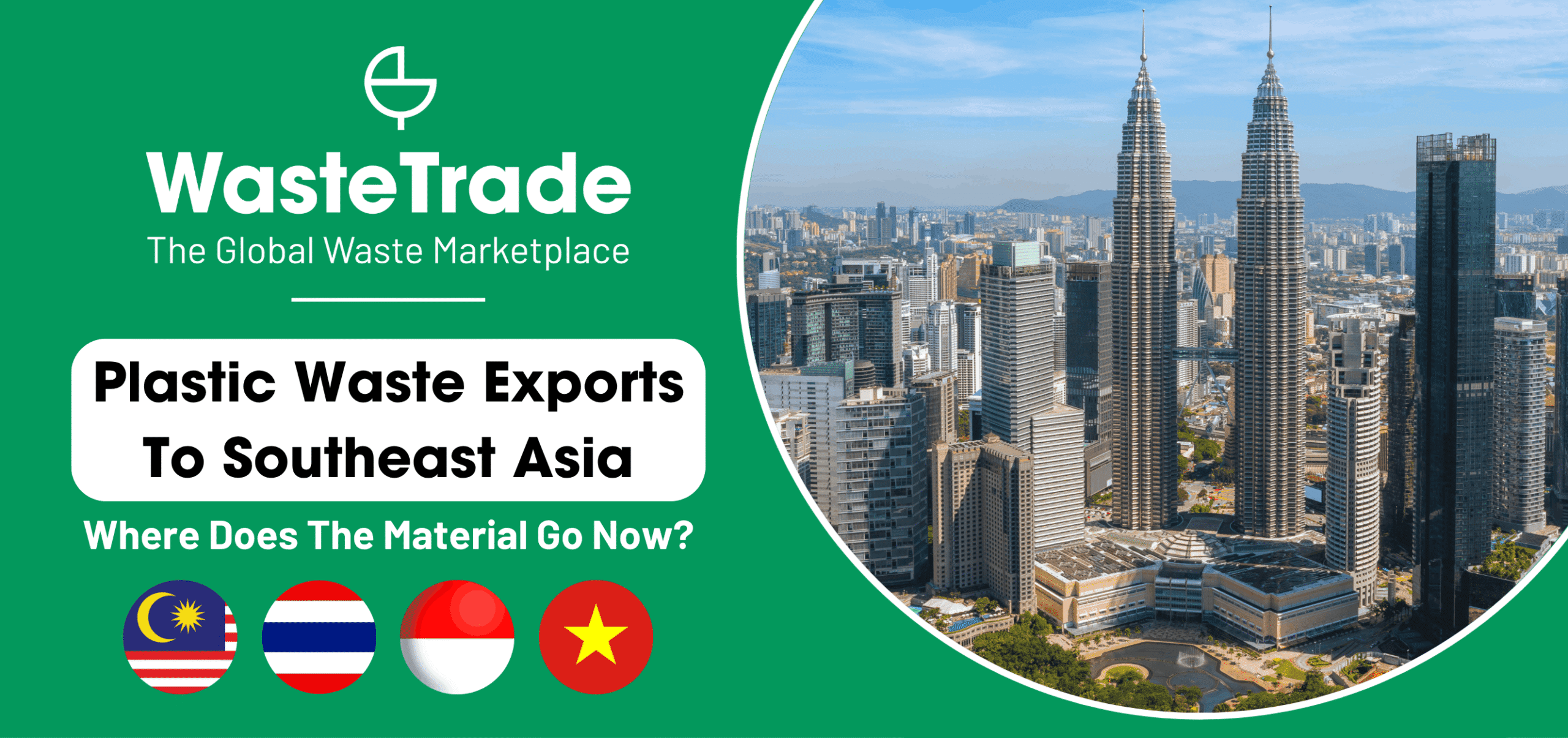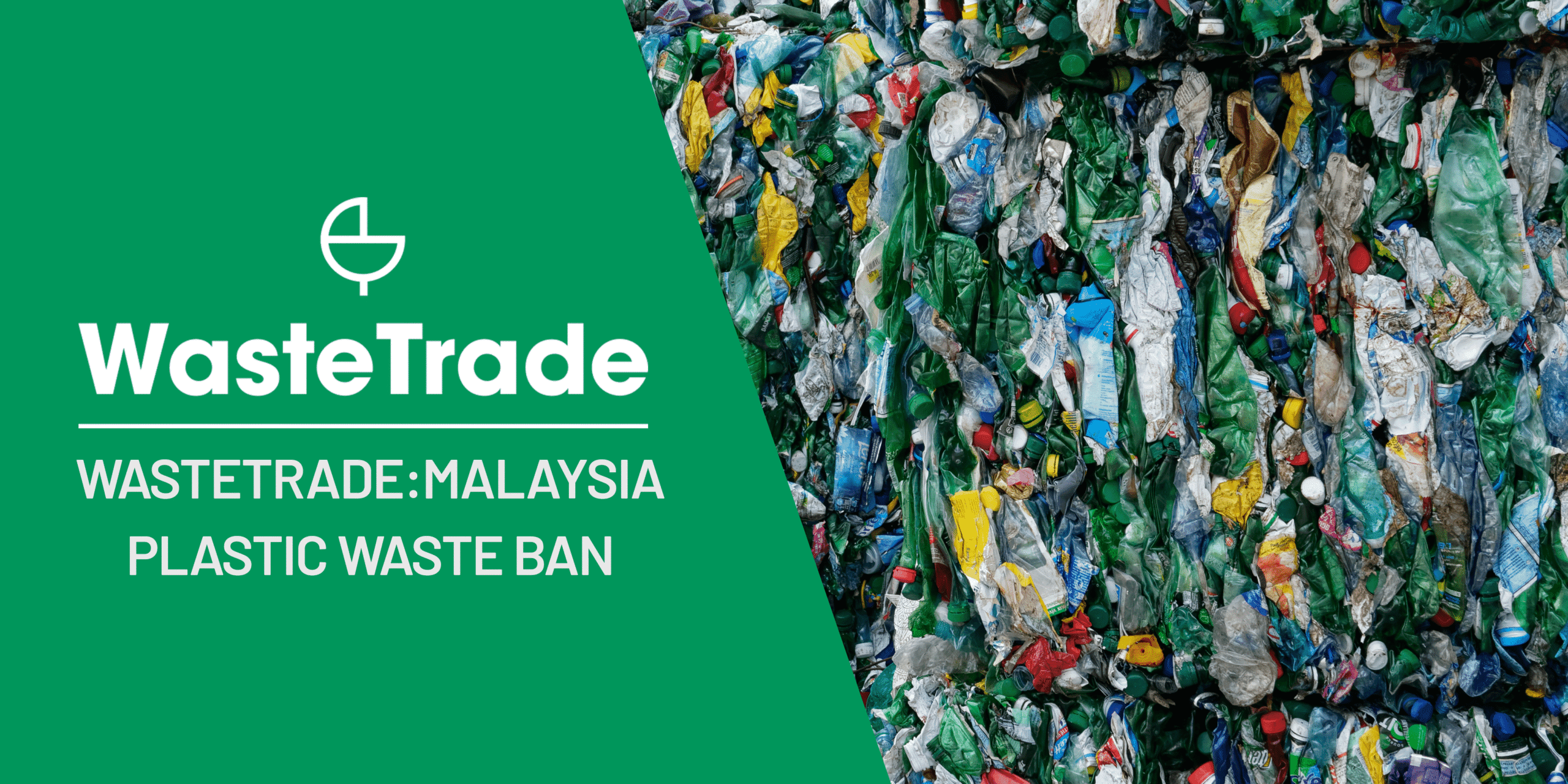
On 1 July 2025, Malaysia introduced sweeping restrictions on the importation of plastic waste, marking one of the most stringent regulatory turns in the country’s recent history of waste management. While framed as a refinement of the Customs Act, these changes amounted to a decisive redefinition of Malaysia’s role in the international recycling trade. The nation, once a major importer of plastic waste from Europe, the United States, and parts of Asia, has now asserted itself as a gatekeeper against low-grade and often unrecyclable materials disguised as recyclables.
The Shape of the New Regulation
Under the new rules, imports of plastic waste into Malaysia are only permitted if authorised by SIRIM, a body operating under the Ministry of Investment, Trade and Industry. Authorisation is contingent on the importer holding a valid manufacturing licence or exemption and having adequate recycling infrastructure on site. Audits and inspections assess not only declared capacity but also real throughput and technological ability.
The guidelines are meticulous. They demand near-total homogeneity (99.5%) of plastic types, prohibit landfill-origin materials, and disallow any food, oil, or e-waste contamination. Imports must be pre-inspected by a foreign inspection body recognised by SIRIM or a certified materials recovery facility. Moreover, the list of eligible countries has been sharply curtailed: only those who have ratified the Basel Convention or possess a recognised free trade agreement with Malaysia can continue exporting plastic waste to the country.
The implications are clear. This is not merely a matter of tighter customs checks. It is a structural filter aimed at disqualifying casual or ambiguous waste trade and at discouraging exporters from treating Southeast Asian ports as low-cost endpoints for their recycling shortcomings.
Global Consequences and Strategic Retreats
Among the nations most affected is the United States, which exported approximately 35,000 tonnes of plastic waste to Malaysia in 2024 alone. Lacking Basel Convention ratification, the US joins countries like Haiti, South Sudan, and Fiji on a de facto blacklist. The EU, while governed by more unified policy, may also face indirect barriers despite its Basel membership. Malaysia's demand for exceptional purity is not something easily met by typical post-consumer European waste, where mixed bales and variable contamination are common.
Indeed, these restrictions signal more than just an administrative tightening. They suggest a slow disassembly of the waste outsourcing model that has dominated for decades. Countries with advanced economies are being nudged—not forcibly, but firmly—toward a reckoning with the volume and composition of their own refuse.
Sorting Realities: When Purity Becomes Policy
At the heart of Malaysia’s regulation lies a difficult truth: most plastic waste is not ready for recycling. Especially in its post-consumer form, plastic waste is messy, multi-material, and stubbornly resistant to economic sorting. While advanced sorting and recycling technologies can, in theory, achieve homogeneity above 99%, the cost and infrastructure requirements are significant.
Thus, Malaysia’s policy functions not only as a customs filter but as a market signal. It is effectively pricing out exporters who rely on low-efficiency sorting or who depend on the environmental leniency of their trading partners. It is incentivising not just better packaging design and source segregation, but also domestic investment in sorting and reprocessing.
Enforcement, or the Lack Thereof
The ambition of Malaysia’s policy is considerable, but it enters a regional and global landscape where ambition and execution do not always align. Neighbouring Thailand and Indonesia have announced similar bans for 2025, yet both continue to struggle with enforcement loopholes. Illicit plastic shipments continue to cross borders under the guise of paper bales or misdeclared goods. This is a systemic challenge: enforcement agencies in many Southeast Asian nations remain under-resourced, and shipping documents often remain opaque.
Groups such as the Basel Action Network have long campaigned for an end to this ambiguity. Their critiques, while occasionally strident, underscore a central issue: the line between recycling and dumping is often not drawn at the port of origin, but at the port of arrival—and that is where capacity for oversight is most variable.
Towards a Different Trade
The impact of Malaysia’s decision will likely be uneven. For some exporters, it will be a barrier. For others, it may become an incentive to rethink systems and adapt supply chains. Cleaner sorting, better certification, and documented traceability may gradually supplant the status quo of bulk, minimally processed bales.
Such trends are not confined to Southeast Asia. The European Union has already declared its intent to ban exports of non-hazardous plastic waste to non-OECD countries from 2026. Global markets are beginning to absorb a shift: recyclables can no longer travel anonymously.
WasteTrade Perspective
From the vantage point of a digital trading platform such as WasteTrade, changes like these are not surprising. They confirm what careful observers have anticipated for some time: that the future of waste trade will belong to quality, compliance, traceability, and carbon consciousness.
On a platform where materials are listed with embedded traceability, carbon impact calculations, and automated compliance checks, the direction of regulation appears less a disruption than an affirmation. The tools required to meet these new international standards already exist. It is a question of whether traders, brokers, and processors choose to use them.
WasteTrade sees Malaysia’s policy shift as illustrative of a broader realignment. The value of recyclables is no longer simply in their tonnage or price per kilogram, but in their origin, composition, and afterlife. If waste is to be a resource, it must be provable.
In that sense, Malaysia's ban is not an end-point. It is a signpost pointing toward a more deliberate, more accountable material economy—one in which technology, policy, and environmental intention are increasingly entangled. It is not without cost, and certainly not without friction. But it may prove, over time, to be one of the quieter inflection points in how the world understands and moves its waste.