Why The 2027 Plastic Packaging Tax Matters Now
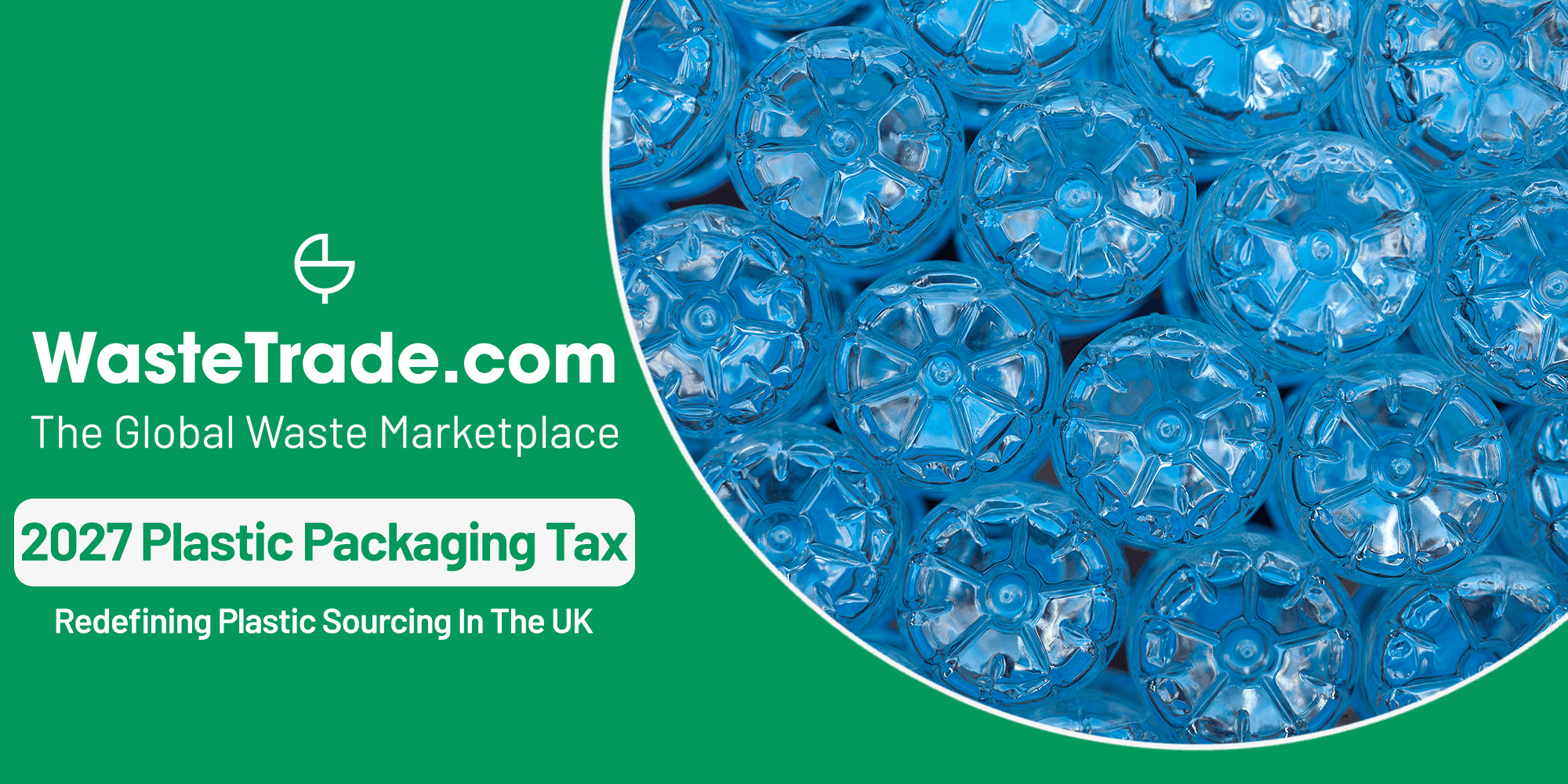
From 1 April 2027, the UK Plastic Packaging Tax will change in a way that directly affects how recycled plastic is sourced, evidenced and valued. Pre-consumer plastic waste will no longer count towards the 30 percent recycled content threshold.
For many manufacturers and converters, this removes a compliance route that has been widely relied upon since the tax was introduced. Factory scrap, offcuts and in-house regrind have played a quiet but significant role in keeping packaging outside the scope of the tax. That option is now time-limited.
This is not a consultation or a proposal. The change is confirmed. Businesses that continue to treat it as a distant issue risk being forced into hurried sourcing decisions later, when supply is tighter and prices are less forgiving.
How The Plastic Packaging Tax Works Today
The Plastic Packaging Tax applies to plastic packaging manufactured in or imported into the UK that contains less than 30 percent recycled plastic.
Recycled content is assessed by weight, and businesses are expected to retain records that support their calculations. Under the current rules, both post-consumer and pre-consumer recycled plastic can be included.
This has allowed many producers to meet the threshold using production scrap generated within their own facilities. While compliant under today’s framework, this approach often involves limited engagement with external recycling markets and relatively simple internal documentation.
That simplicity will not survive the next phase of the tax.
Pre-Consumer And Post-Consumer Plastic Explained
Pre-consumer plastic waste refers to material generated during manufacturing before a product reaches the market. This includes trim waste, offcuts, purge material and in-house regrind returned directly to production.
Post-consumer plastic comes from products that have completed their intended use and entered the waste stream. It typically passes through collection, sorting, processing and reprocessing stages before being reused.
From April 2027, this distinction becomes decisive. Pre-consumer plastic will no longer count towards the recycled content threshold, regardless of how responsibly it is reused. Post-consumer recycled plastic will continue to qualify.
For many businesses, this marks a shift away from internal solutions and towards more complex external supply chains.
What Changes In April 2027
The most significant change is the removal of pre-consumer plastic waste from recycled content calculations. From 1 April 2027, factory scrap and in-house regrind will no longer reduce Plastic Packaging Tax liability.
Packaging that contains less than 30 percent qualifying recycled plastic will remain subject to the tax.
Alongside this, the government will introduce a mass balance approach for chemically recycled plastic. This allows recycled inputs to be allocated across outputs where physical separation is not possible, provided the approach is supported by approved certification schemes and robust audit trails.
Both changes raise the bar for evidence, traceability and record-keeping. Recycled content will still matter, but so will the ability to prove it.
Why Pre-Consumer Plastic Is Being Excluded
The government’s rationale is that internal production scrap does not increase demand for recycled plastic already in the economy. While reusing factory waste is sensible, it does not drive wider material recovery or circularity.
Removing pre-consumer waste from the calculation is intended to close a compliance loophole and redirect demand towards genuine recycled feedstock. The aim is not to punish manufacturers, but to ensure the tax achieves its stated environmental purpose.
In practice, this shifts value away from internal material loops and towards external recycling supply chains.
Who Is Most Exposed To The Change
The impact of the 2027 change will vary widely.
Brands and converters that rely heavily on in-house scrap to reach the 30 percent threshold are most exposed. Manufacturers with limited access to post-consumer recycled polymer will also feel the pressure, as will importers who depend on supplier declarations that lack strong supporting evidence.
In many cases, the risk lies not only in sourcing material, but in evidencing it. As supply chains lengthen, documentation gaps become more likely unless actively managed.
What This Means For Plastic Recyclers
For plastic recyclers and reprocessors, the exclusion of pre-consumer material is likely to increase demand for post-consumer recycled polymer.
Buyers will place greater emphasis on feedstock provenance, consistency and documentation. Recyclers that can demonstrate clear material origins and support audit requirements are likely to become preferred suppliers as the market adjusts.
Visibility also matters. As demand shifts, platforms such as WasteTrade help compliant recyclers increase exposure to buyers actively seeking post-consumer material, while supporting clearer communication around specifications, volumes and logistics.
Preparing For Plastic Packaging Tax Compliance
Businesses that treat 2027 as a planning horizon rather than a deadline will be better placed.
Key steps include mapping current recycled content streams, identifying reliance on pre-consumer material, and modelling Plastic Packaging Tax exposure assuming that material no longer counts. Reviewing supplier documentation and understanding certification requirements for mass balance approaches should also happen early.
Engaging with post-consumer recyclers and stress-testing logistics routes takes time. Using platforms that centralise sourcing, movement and transaction records can help reduce fragmentation and improve visibility as supply chains become more complex.
Why Traceable Recycled Plastic Gains Value
As Plastic Packaging Tax rules tighten, traceability becomes commercially important.
Businesses that can clearly demonstrate where recycled content comes from, how it moves through the supply chain and how recycled inputs are allocated reduce regulatory risk and improve audit outcomes. Clear records also strengthen buyer confidence and improve negotiating positions as compliant material becomes more sought after.
In this environment, traceability is no longer an administrative exercise. It becomes part of the material proposition.
How WasteTrade Supports Businesses Through The Change
As sourcing strategies shift towards post-consumer recycled plastic, WasteTrade supports businesses by operating at the point where material supply, logistics and documentation intersect.
By connecting buyers to verified recyclers and reprocessors, supporting the movement of recycled plastics through established logistics routes, and improving visibility across transactions, WasteTrade helps businesses build clearer and more resilient supply chains.
For recyclers, this means greater access to buyers seeking qualifying material. For manufacturers and converters, it provides earlier insight into sourcing risk and stronger foundations for audit-ready compliance as the Plastic Packaging Tax evolves.
Looking Ahead To 2027
The removal of pre-consumer waste from Plastic Packaging Tax calculations is a confirmed change with a fixed implementation date.
Businesses that act early will have more options, greater certainty and fewer surprises. Those that wait may find compliant recycled plastic harder to secure, more expensive, and more difficult to evidence.
Reviewing recycled content strategies now, understanding where exposure lies and engaging with supply chain partners early will be critical. As the rules change, access to traceable material, clear records and resilient supply chains will define who adapts smoothly and who struggles.
What steps is your organisation taking to prepare for 2027?